
What a Decade of Entrepreneurship Actually Taught Me
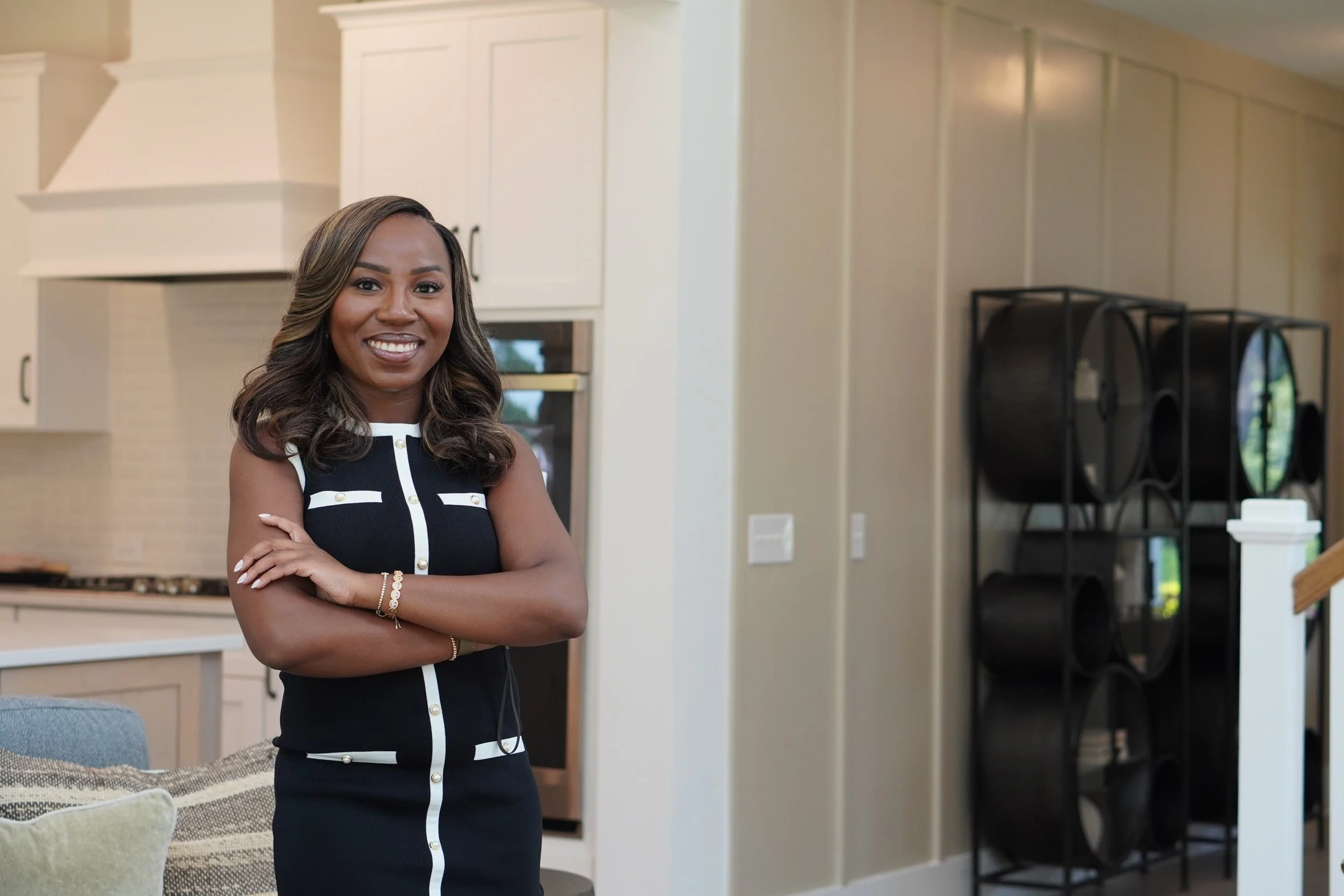
I have spent a lot of time thinking about how my career looks from the outside. For years, people thought I was all over the place. Beauty. Property management. Real estate. Marketing. Hospitality. Consulting. Brand development. Restaurants. Catering. I was questioned about the pivots, the industries, and the choices that did not seem to follow a clean, traditional path. And if I am being fair, I can understand why. From the outside looking in, it probably did look directionless.
But I knew what I was working toward. For me, entrepreneurship has always been about freedom. Not the flashy version of freedom people like to sell online. Not the “quit your job and work from the beach” version. I mean autonomy. Sovereignty. Self-determination. The ability to create, to make decisions, to change direction when necessary, and to build a life that feels like mine. It took me a decade of entrepreneurship to understand that every seemingly unrelated chapter was helping me build exactly that.
Before I knew I was building anything
Long before I understood entrepreneurship, I was already curious about how ideas were formed and communicated. I was the child who was always reading, writing, creating, making something. I would read books, stop to look up words I did not know, and keep a notebook filled with definitions I pulled from whatever I was reading at the time. At the time, I was just a little girl who loved words, but looking back, I can see how much that shaped me.
My vocabulary, my ability to write, my love of storytelling, and my instinct for language and communication all came from that curiosity. Those skills would eventually become central to almost everything I did in business.
My first real taste of entrepreneurship
My first real experience with entrepreneurship came in college, doing makeup for classmates and eventually for pageants. I was not thinking about business models or customer acquisition. I had a skill, people valued it, and I figured out how to turn that skill into income. That was the beginning.
Later, I went to work in a high-end luxury spa where I served politicians, athletes, and even had a few encounters with royalty. It gave me an early look at premium service and luxury hospitality, but what really caught my attention was the economics. I started noticing that the service providers were coming in after me, leaving before me, and making three or four times what I was making. They had a skill, and that skill gave them leverage.
That realization completely changed the way I thought about work. Hard work mattered, of course, but I started to understand that your earning potential could also be shaped by expertise, positioning, and the value attached to what you knew how to do. That realization led me to esthetician school.
I continued working in spas while I was in school and eventually began apprenticing under someone who specialized in lashes. Then circumstances changed, and I needed to make a move quickly. My mother, who is an entrepreneur herself, pushed me to stop waiting and open something of my own. So I rented my first salon suite, and Legare Beauty was born.
My first business was my classroom
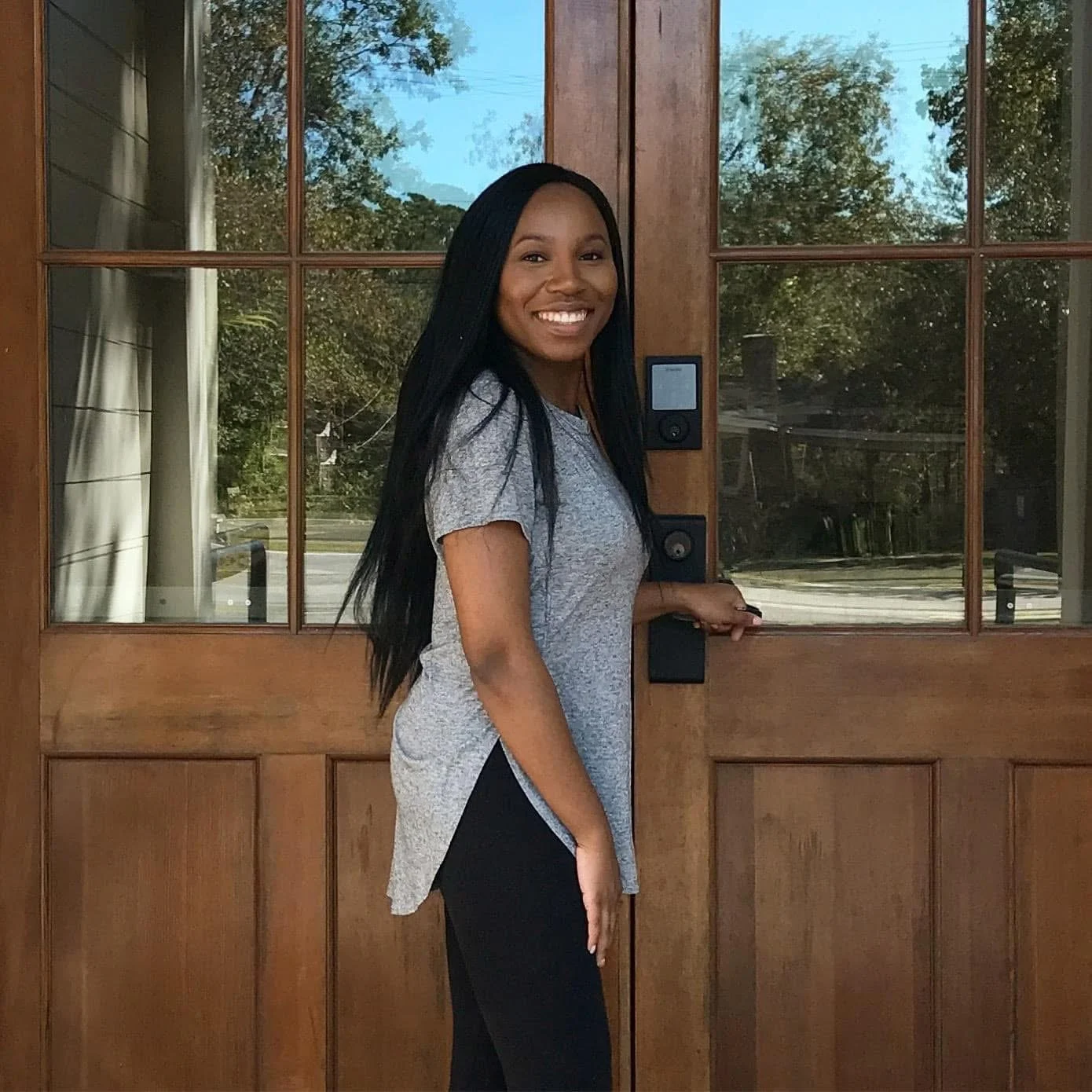
2018 - Second Studio Location - The Schoolhouse
Legare Beauty taught me how to market. And baby, I spent money learning. Courses. Books. Trainings. Workshops. Virtual classes. In-person classes. If somebody could teach me something about branding, marketing, business, or sales, I was probably somewhere trying to learn it.
I wanted to understand why people bought, why certain brands became memorable, why some businesses could attract attention and others could not, and how visibility became revenue. I also gave myself permission to make mistakes. I remember telling myself very clearly that this would not be my only business. It would simply be my first.
That mindset gave me room to experiment, to try things, to spend money I probably did not always need to spend, to get some things completely wrong, and to develop instincts I still use today. Legare Beauty was my laboratory. It taught me that one business can give you skills you carry into every business that comes after it.
Then the world stopped
And then COVID happened. The world stopped. Literally.
Like so many business owners, I had to make a decision quickly. I had already been working part time in property management for a few years as a way to keep my beauty business afloat. When the pandemic changed everything, I packed it up and went full time into property management.
And, once again, I found myself in another classroom. I learned how to sell apartments virtually, how to help people relocate to an area they had never lived in, how to communicate value without relying on an in-person experience, and how to listen closely enough to understand what people actually needed. I became one of the top performers in the company and received a top leasing award across the organization.
But the bigger lesson was sales. Selling, I learned, was not about convincing someone to buy something they did not want. It was about listening. Understanding. Removing uncertainty. Helping someone see how an option could fit into their life. That skill would follow me everywhere.
Opportunity does not always announce itself
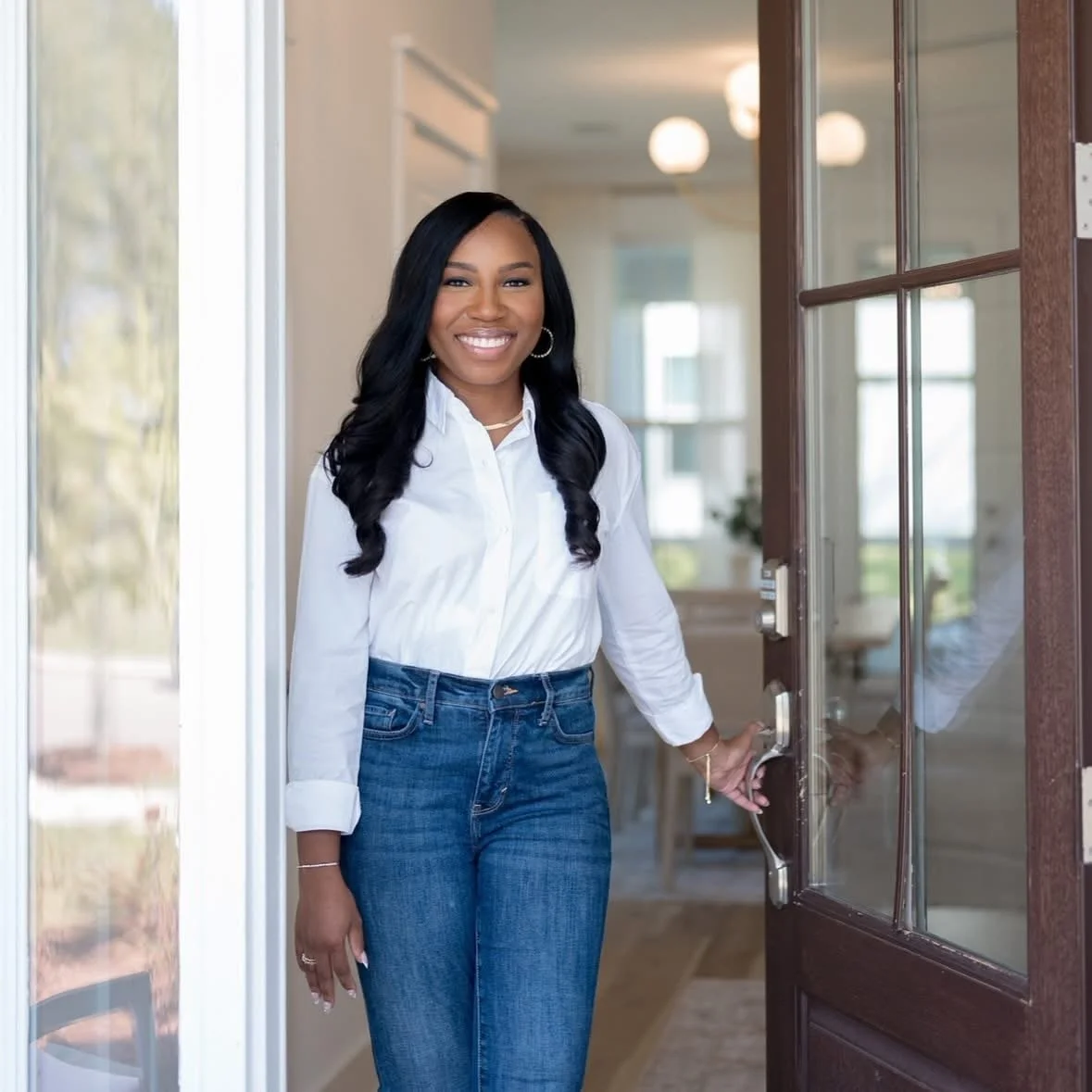
2024 - Real Estate Brand Shoot
During the pandemic, interest rates were extremely low. Tenants started flooding into the office to terminate their leases because they were buying homes. I watched it happen again and again and remember thinking, I want in on this.
So I got licensed and entered residential real estate. By then, I already knew how to market, how to sell, how to build trust, and how to create visibility and generate opportunity. If I am being honest, real estate did not teach me as much about entrepreneurship as people might expect. I entered the industry with an entrepreneurial background already behind me.
What real estate did show me was that my skills were transferable. I could move into a completely different industry and still rely on the same fundamentals: communication, positioning, sales, relationships, marketing, and trust. Sometimes a new industry is not a new beginning. Sometimes it is simply a new place to apply what you already know.
Then I met Tater
Around the same time I left property management, I met Janae “Tater” Coaxum. By then, I had already been helping small business owners with marketing and strategy, even though I did not really have the language for consulting yet. I knew how to look at a business, see what it was trying to become, and figure out how to tell that story more clearly.
When I first heard about what Tater was doing, I thought I would simply help another food entrepreneur with marketing. Then I went to my first private dinner experience with her on Kiawah Island to film content, and I was enamored.
The food. The atmosphere. The service. The storytelling. The energy of the room.
There was something about hospitality that pulled everything together for me. At the time, I thought I would just help food entrepreneurs market their businesses because that was something I had already been doing for years. I had no idea we would eventually go on to open a business together.
Building Tater’s taught me the difference between a brand and a business
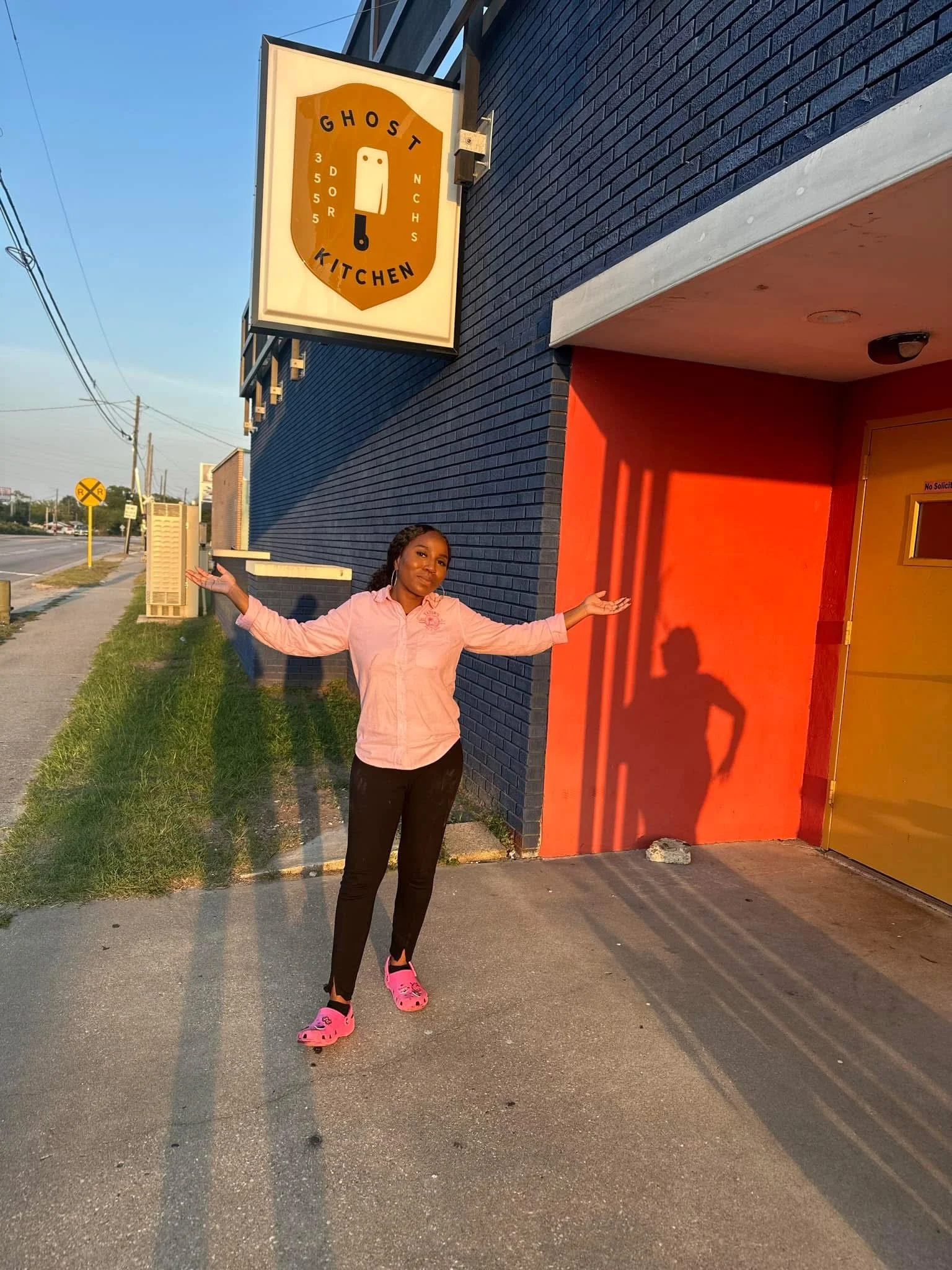
2023 - Tater’s Ghost Kitchen Location - North Charleston, SC
In 2023, Chef Tater and I began building what would become Tater’s Lowcountry Kitchen. As co-owner of Tater’s, my role quickly became much bigger than marketing.
I designed the first menu in Canva, built the website, created the online ordering workflow, set up the kitchen display system, filmed content, developed marketing concepts, managed social media, and tracked sales and numbers. I was building the machinery behind the brand.
That experience changed the way I thought about business. Branding matters. Marketing matters. Storytelling matters. But none of it can carry a business if the systems behind it do not work. Tater’s taught me to think more deeply about operations, customer experience, technology, workflows, sales, financial performance, and all of the unglamorous things that actually keep a business alive.
It was also the chapter where I began to understand one of my strongest qualities as an entrepreneur: I do not only think in one lane. I can move between brand, operations, marketing, systems, customer experience, and growth because I understand how they affect one another.
Chef Tater leads the culinary vision. I lead much of the business strategy, operations, brand development, marketing, growth, partnerships, systems, and long-term positioning behind the brand. Together, we built Tater’s into a Charleston culinary brand rooted in Gullah Geechee heritage, Lowcountry food traditions, and memorable hospitality.
Then the business needed more room
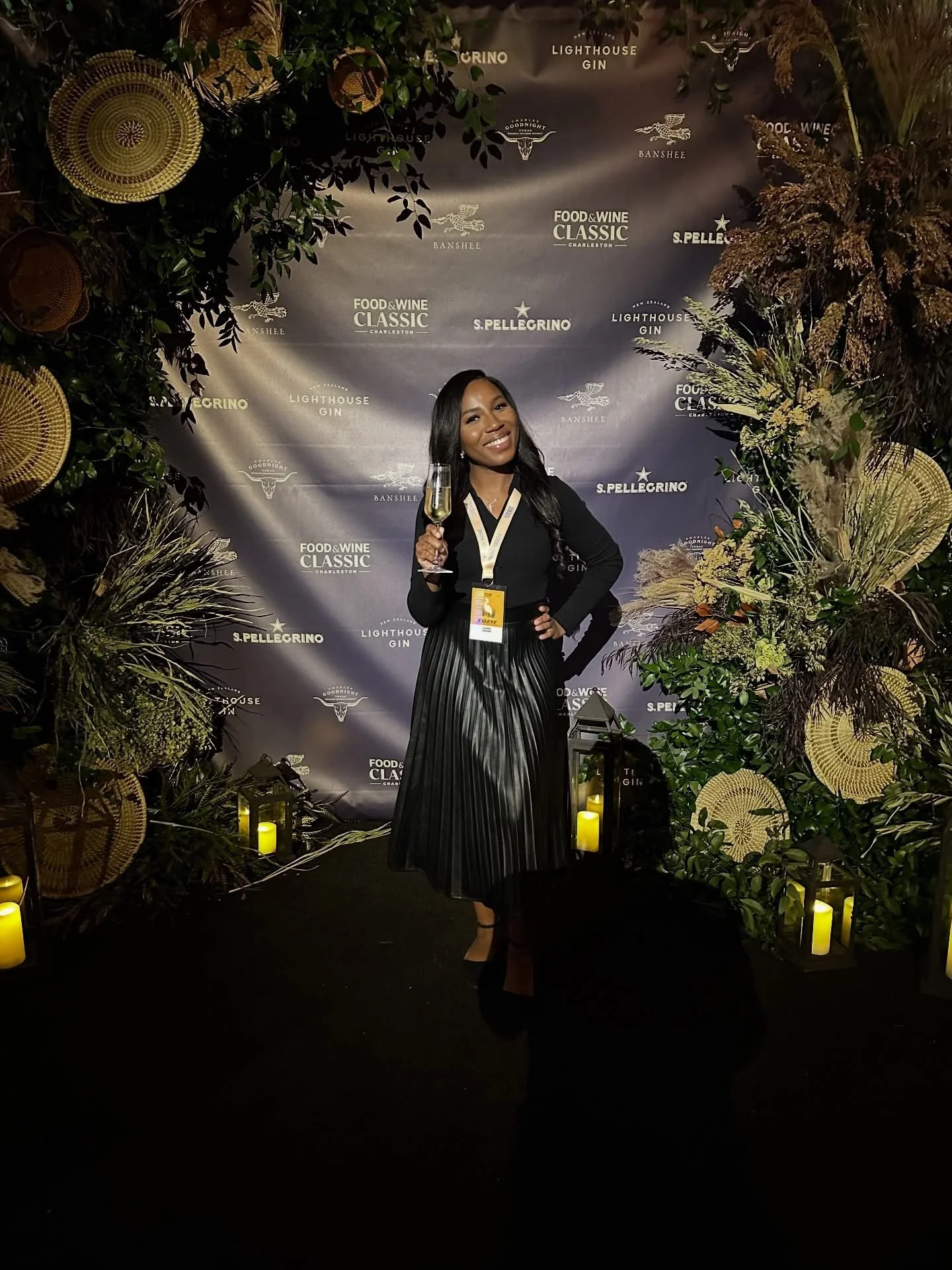
2025 - Charleston Food & Wine Classic - Opening Night
As Tater’s grew, the range of what we were doing started to become harder to fit under one restaurant identity. Tater already had a luxury private dining clientele, and that world felt almost completely different from the takeout restaurant. At the same time, she began appearing on festival stages and participating in larger culinary and cultural events.
We were very clear about one thing: we did not want to be boxed in.
That is where Pluff Mud Hospitality began to make sense. Pluff Mud gave the work room to breathe. It created space for catering, private dining, culinary activations, cultural programming, partnerships, special events, and hospitality experiences that did not need to look or feel exactly like the restaurant.
Today, I serve as Founder & CEO of Pluff Mud Hospitality, a Charleston-based hospitality group built to create thoughtful, culturally grounded food and hospitality experiences across different formats.
For me, Pluff Mud represents another lesson in entrepreneurship: growth does not always mean making one thing bigger. Sometimes growth means building the right structure so different parts of the vision can grow in the way they are supposed to.
The path was not as random as it looked
For years, I know some people looked at my career and wondered what exactly I was doing. The pivots did not make sense to everyone, but they made sense to me.
Beauty taught me marketing. Property management sharpened my sales instincts. Real estate proved my skills were transferable. Working with small businesses taught me how to see brands from the inside out. Tater’s taught me how to build the infrastructure behind a brand. Pluff Mud Hospitality gave me a larger container for everything I had learned about business, hospitality, culture, experience, and growth.
The businesses changed. The industries changed. The skills compounded.
And underneath all of it was the same goal: freedom.
What freedom means to me now
Today, freedom means being self-determined. I have learned that freedom looks different depending on the season. Sometimes freedom is financial. Sometimes it is flexibility. Sometimes it is having the ability to say no. Sometimes it is deciding what deserves your attention and what no longer does.
But at its core, freedom for me is autonomy and sovereignty. It is having agency over my work, my time, my ideas, and the direction of my life. It is also the freedom of self-expression and creativity.
I want to build businesses that reflect how I think, how I create, how I lead, and how I see the world. I want the ability to evolve without feeling like every new interest somehow invalidates the last one.
A decade into entrepreneurship, I understand something I could not have articulated when I opened that first salon suite. I was never chasing one perfect business. I was building the ability to determine my own life.
The businesses were the vehicle. Freedom was always the destination.